The Supporting Child Mental Health in De-Occupied Territories of Ukraine project is implemented by the Margaret C. Ryan Global Health Program at Boston Children’s Hospital (USA) in partnership with Community Self-Help (CSH), Ukraine.
The project aims to strengthen the capacity of Ukrainian professionals to provide high-quality Mental Health and Psychosocial Support (MHPSS) to children, adolescents, and their families affected by the war.
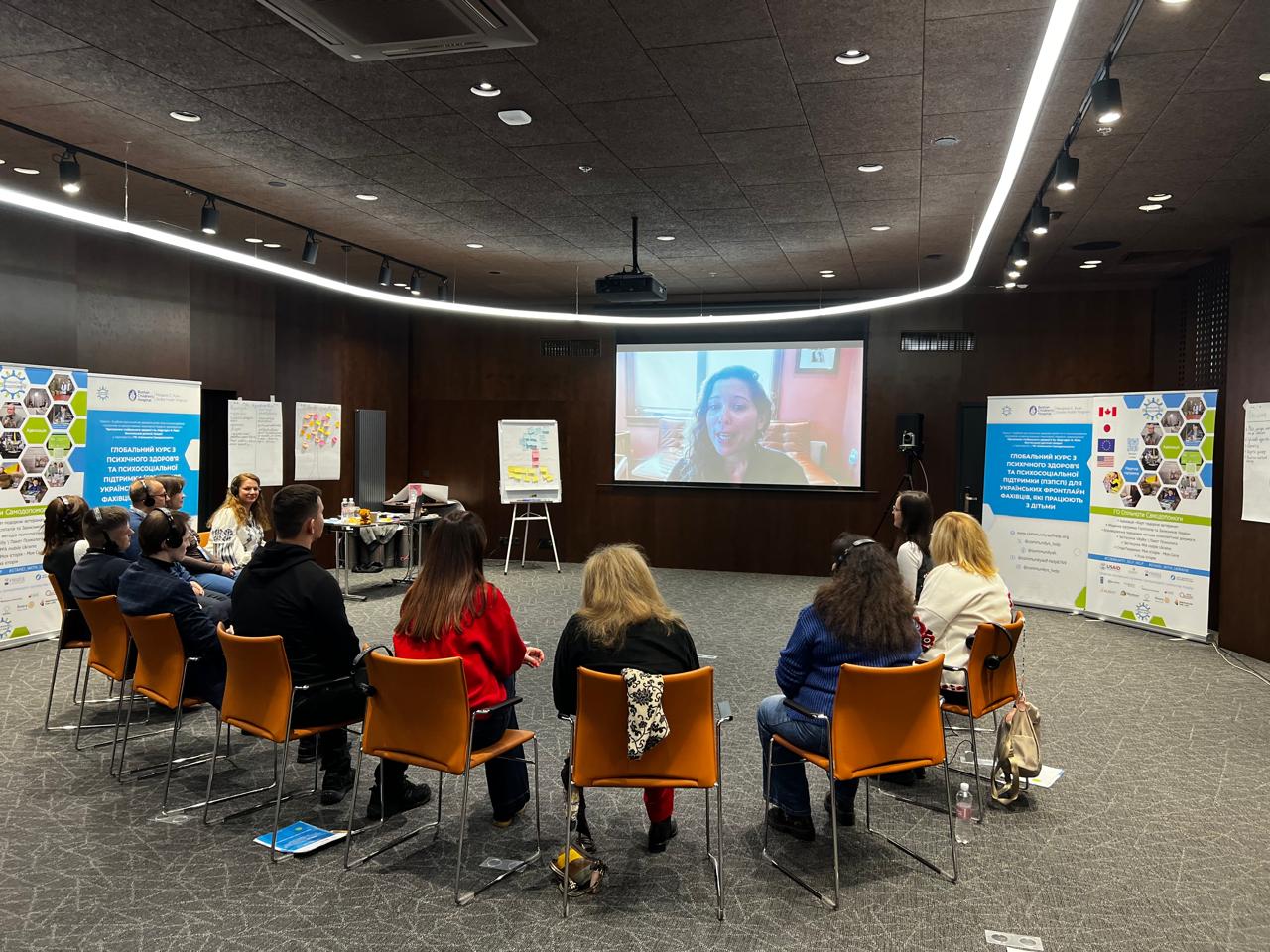
At the heart of the project is the Global Course on Mental Health and Psychosocial Support (MHPSS) for Ukrainian Frontline Workers Supporting Children—an international training program adapted to Ukraine’s humanitarian context and the challenges created by the ongoing war.
Today, the project brings together professional training, trainer development, supervision, mentoring, professional community building, integration of the Global Course into higher education institutions, and collaboration with government agencies to support the long-term development of child mental health and psychosocial support in Ukraine.
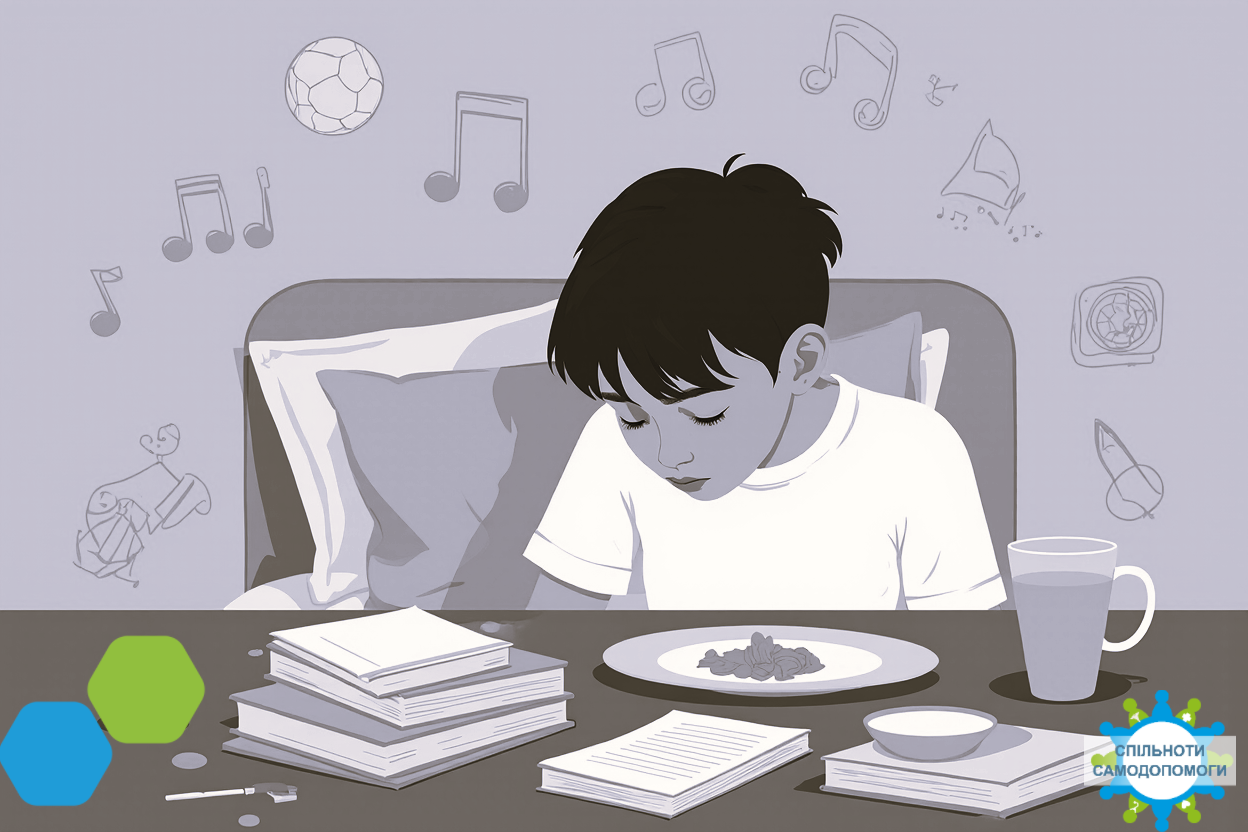
For several years, Ukrainian children have been living through war, forced displacement, loss, occupation, constant danger, and uncertainty. These experiences place them at increased risk of psychological distress and long-term mental health challenges.
In many situations, the first professionals to meet children and their families are not psychotherapists but police officers, State Emergency Service (SES) personnel, social workers, humanitarian responders, educators, community psychologists, and other frontline professionals.
For this reason, the project focuses on strengthening their practical competencies in accordance with international MHPSS standards and the recommendations of the Inter-Agency Standing Committee (IASC) and UNICEF, ensuring that children receive timely, appropriate, and compassionate support regardless of where they live.
A key outcome of the project is the development and implementation of the Global Course on Mental Health and Psychosocial Support (MHPSS) for Ukrainian Frontline Workers Supporting Children—a practice-oriented international training programme adapted to Ukraine’s wartime realities and humanitarian context.
The course combines evidence-informed approaches, practical tools, and internationally recognized MHPSS standards, equipping frontline professionals with the knowledge, skills, and confidence to support children, adolescents, and their families affected by war and other humanitarian emergencies.
The training programme consists of six interconnected modules:
* Module 1. Introduction to MHPSS for Children and Families Facing Adversity
* Module 2. Self-Care Strategies for Frontline Professionals
* Module 3. Supporting Children and Families through MHPSS
* Module 4. Strengthening Community-Based MHPSS for Children and Caregivers
* Module 5. Coordination and Support for Vulnerable Populations
* Module 6. Core Psychosocial Skills
The training combines evidence-informed knowledge, international humanitarian standards, interactive learning methods, practical exercises, case discussions, and group work to equip participants with skills they can immediately apply in their professional practice.
Learn more about the Global Course →
Since its launch, the project has developed one of Ukraine’s largest professional training initiatives in child mental health and psychosocial support.
As of 2026:
* More than 340 Ukrainian professionals have completed the Global Course.
* 73 certified trainers have been prepared to deliver the program across Ukraine.
* 21 training events have been conducted, including:
* 7 Global Course trainings
* 3 Training of Trainers (ToT) programmes
* 11 cascade trainings delivered by certified Ukrainian trainers
* An ongoing system of professional supervision and post-training support has been established.
* A nationwide community of MHPSS trainers has been created.
* The Global Course has begun to be integrated into the curricula of Ukrainian higher education institutions.
The Global Course brings together professionals from a wide range of sectors who support children and families affected by war and humanitarian crises.
Participants include:
* psychologists, social workers, healthcare professionals, and social service specialists;
* police officers, State Emergency Service (SES) personnel, and Civil-Military Cooperation (CIMIC) officers;
* university faculty members, educators, and academic staff;
* mobile humanitarian teams and representatives of civil society organizations.
The interdisciplinary nature of the program strengthens coordination among different sectors and promotes a comprehensive approach to supporting children’s mental health and psychosocial well-being.
Professional Training
Delivering intensive five-day Global Course trainings for Ukrainian frontline professionals working with children and families affected by war.
Training of Trainers (ToT)
Building a national network of certified Ukrainian trainers capable of independently delivering the Global Course across the country.
Supervision and Professional Support
Providing ongoing professional supervision, mentoring meetings, peer support groups, and technical consultations to help participants apply newly acquired knowledge in their daily practice.
Cascade Training
Expanding the project’s impact by supporting certified trainers to deliver additional Global Course trainings within their own institutions and local communities.
Collaboration with Universities
Integrating the Global Course into higher education curricula and supporting the preparation of future professionals in child mental health and psychosocial support.
Advocacy
Working with government institutions, professional associations, universities, and international partners to strengthen Ukraine’s child mental health and psychosocial support system.
The project has been implemented across multiple regions of Ukraine and has brought together participants from the majority of the country’s oblasts.
Particular attention is given to professionals working in frontline, de-occupied, and war-affected communities, where the need for accessible mental health and psychosocial support remains especially high.
In addition to regional training activities, the project has established partnerships with Ukrainian universities and national institutions, supporting the long-term integration of MHPSS into professional education and public services.
The project has contributed to building a nationwide network of professionals equipped to provide high-quality mental health and psychosocial support to children and families affected by war.
Through the preparation of certified trainers, cascade trainings, regular supervision, and the development of a professional learning community, the project’s impact continues to extend well beyond its direct participants. Graduates are actively sharing knowledge within their own organizations, communities, and professional networks.
The integration of the Global Course into higher education institutions and collaboration with government agencies create a strong foundation for the sustainable development of child mental health and psychosocial support services in Ukraine.
The project is implemented by the Margaret C. Ryan Global Health Program at Boston Children’s Hospital (USA) in partnership with Community Self-Help (CSH), Ukraine.
Together, the partners combine international expertise with local leadership to strengthen Ukraine’s capacity to respond to the mental health and psychosocial needs of children, families, and the professionals who support them.
The project brings together an international and multidisciplinary team of experts in child mental health, psychosocial support, humanitarian response, training, research, monitoring and evaluation, and program management. Together, they contribute to the scientific, methodological, and practical implementation of the project.
Dr. Suzan Song — Director of Global Child and Family Mental Health, Boston Children’s Hospital Global Health Program. She has extensive experience leading humanitarian mental health initiatives and developing international MHPSS training programs.
Carolyn Baer, MPH — Director of Partnerships and Planning, Boston Children’s Hospital Global Health Program.
Inna Tarasiuk — Program Coordinator, Boston Children’s Hospital Global Health Program.
Emma Cardeli, PhD — Attending Psychologist and Research Associate at the Trauma & Community Resilience Center, Boston Children’s Hospital, and Assistant Professor of Psychology at Harvard Medical School.
Karen Stuggins, MA — Business Operations Administrator, Boston Children’s Hospital Global Health Program.
David Lewander — Biostatistician, Boston Children’s Hospital Global Health Program.
Vitalii Kharechko — Project Manager and Chair of the Board, Community Self-Help (Ukraine
Kateryna Buchko, PhD — Psychosocial Support Specialist at Community Self-Help (Ukraine), Honorary Research Fellow at the University of Stirling (Scotland), and Lecturer at the Department of Social Work, Ukrainian Catholic University.
Marta Kovalova — Psychotherapist specializing in Adlerian depth psychology, Lecturer in Psychology at West Ukrainian National University, and Psychosocial Support Specialist at Community Self-Help (Ukraine).
Tetiana Oboyanska — Trainer and Supervisor at Community Self-Help (Ukraine), psychologist, and active member of the Art Therapy Association (ATA) and the National Psychological Association (NPA).
Yulia Shvachkina — Monitoring and Evaluation Manager at Community Self-Help (Ukraine). She specializes in designing and implementing MEAL systems for multi-component humanitarian projects and has extensive experience conducting sociological research in Ukraine.
Vira Iskovych — Partnerships and Program Reporting Specialist at Community Self-Help (Ukraine), psychologist, facilitator, mediator, member of the Ukrainian Association of Family Mediators, trainer and supervisor at the Mediation School, and holds a Master’s degree in Administrative Management.
Roman Svystun — Digital Communications Manager at Community Self-Help (Ukraine) and expert in digital solutions for mental health and humanitarian response. He is also Chair of the NGO Innovations for Life, CEO of the digital agency Zona Digital, and co-founder of the business platform Svit.One.
The project continues to grow through collaboration with international partners, Ukrainian professionals, universities, government institutions, and civil society organizations. We welcome new partnerships and opportunities to expand access to quality mental health and psychosocial support for children and families across Ukraine.
For inquiries about the project, partnerships, training opportunities, or implementation of the Global Course, please contact:
Community Self-Help (CSH)
4 Kost Levytskoho Street, Office 301
Lviv, Ukraine
📧 ukraine@csh.ngo
📞 +38 (067) 372-00-32
Related News: